A framework for strategic environmental assessment is taking shape through Baltic Sea region cooperation
Experts from six Baltic Sea countries are currently developing a joint framework for strategic environmental assessment of maritime spatial plans. The goal of the SEABAS project (2025–2027, Interreg BSR) is to harmonize assessment practices and strengthen ecosystem-based planning throughout the Baltic Sea region. Project partners gathered in Tallinn at the end of April to work on the first drafts of the assessment framework.
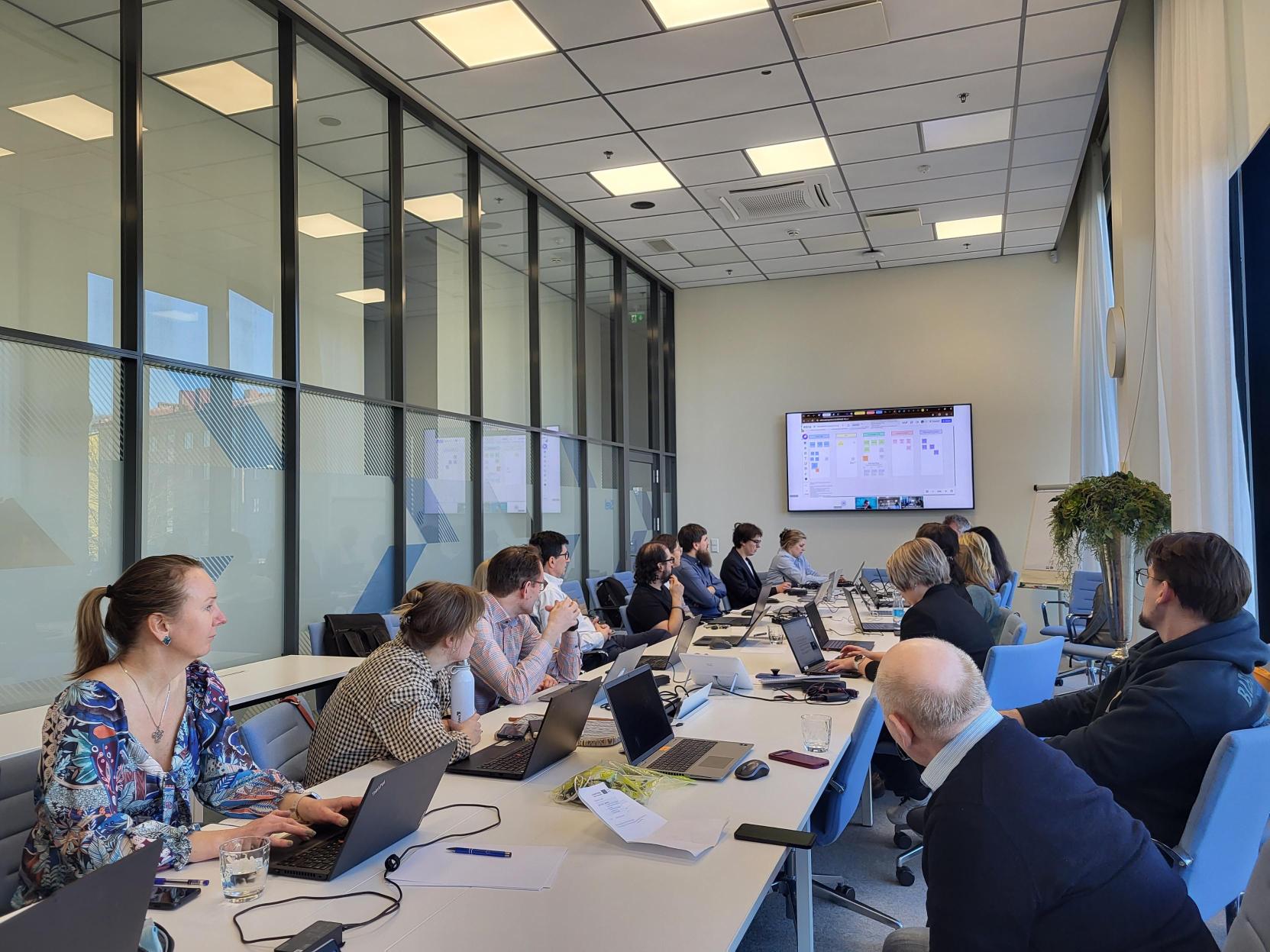
The project consortium met in Tallinn 20th-21st April hosted by the Estonian Ministry of Economic affairs and Communications and University of Tartu.
Strategic environmental assessment is a key component of ecosystem-based maritime spatial planning. In the current maritime spatial planning cycle, Finland will conduct an environmental assessment in accordance with the national SOVA Act, along with related consultations at both the national and international levels. The process will be supported by the SEABAS project where currently two components related to strategic environmental assessment are being prepared: a general framework for the Baltic Sea countries to harmonize assessment processes, and methodological guidelines for the assessment of cumulative impacts. In addition, guidelines on best practices for public participation and stakeholder consultation are under discussion. The EU’s long-term goal is to move toward a joint plan covering the entire seabasin and, consequently, its strategic environmental assessment. Common guidelines for national strategic environmental assessment processes are one step toward more comprehensive management of the Baltic Sea as a whole.
Throughout the spring, the project partners have been conducting intensive preparatory work, and the end of April was a fitting time to meet and discuss first drafts. The first versions of the recommendations are scheduled to be completed in 2026, after which they will be tested in national pilots in Finland and Latvia. Variations in legislation, planning contexts, and available data across different countries present their own challenges. The pilot phase will therefore also yield valuable insights into the feasibility of applying the recommendations in various Baltic Sea countries.
Planning solutions must support environmental objectives at sea
Marine areas are subject to numerous environmental commitments, such as marine strategy framework, the EU Biodiversity Strategy, the implementation of the Habitats Directive, and numerous programs and objectives targeting e.g. birds and marine mammals. The environmental assessment aims to ensure that the planning solutions adopted are in line with these objectives. Not all adverse environmental impacts resulting from human activities can be avoided, but planning measures should be used to minimize them by comparing the environmental impacts of different alternatives.
Marine nature is taken into account in Finland’s Maritime Spatial Plan by, among other things, identifying significant underwater areas of marine natural value and ecological corridors, and by highlighting existing protected areas in the background documentation. In addition, modeling has been used in the delineation of energy and aquaculture areas, among other things, to avoid the most significant and sensitive areas in terms of nature values. Studies and data related to the marine environment are used as key planning evidence when formulating solutions. The strategic environmental assessment is one part of this marine-environment-conscious planning process.
Follow the SEABAS project
Work on the SEABAS project will continue at full speed until the end of 2027.
The project will participate in the EUSBSR Annual Forum in Tallinn on May 13–14, 2026. Come join us to hear about the development of environmental assessments for maritime spatial plans in the Baltic Sea region!
The project has a new LinkedIn page, which you can follow here: SEABAS: Posts | LinkedIn
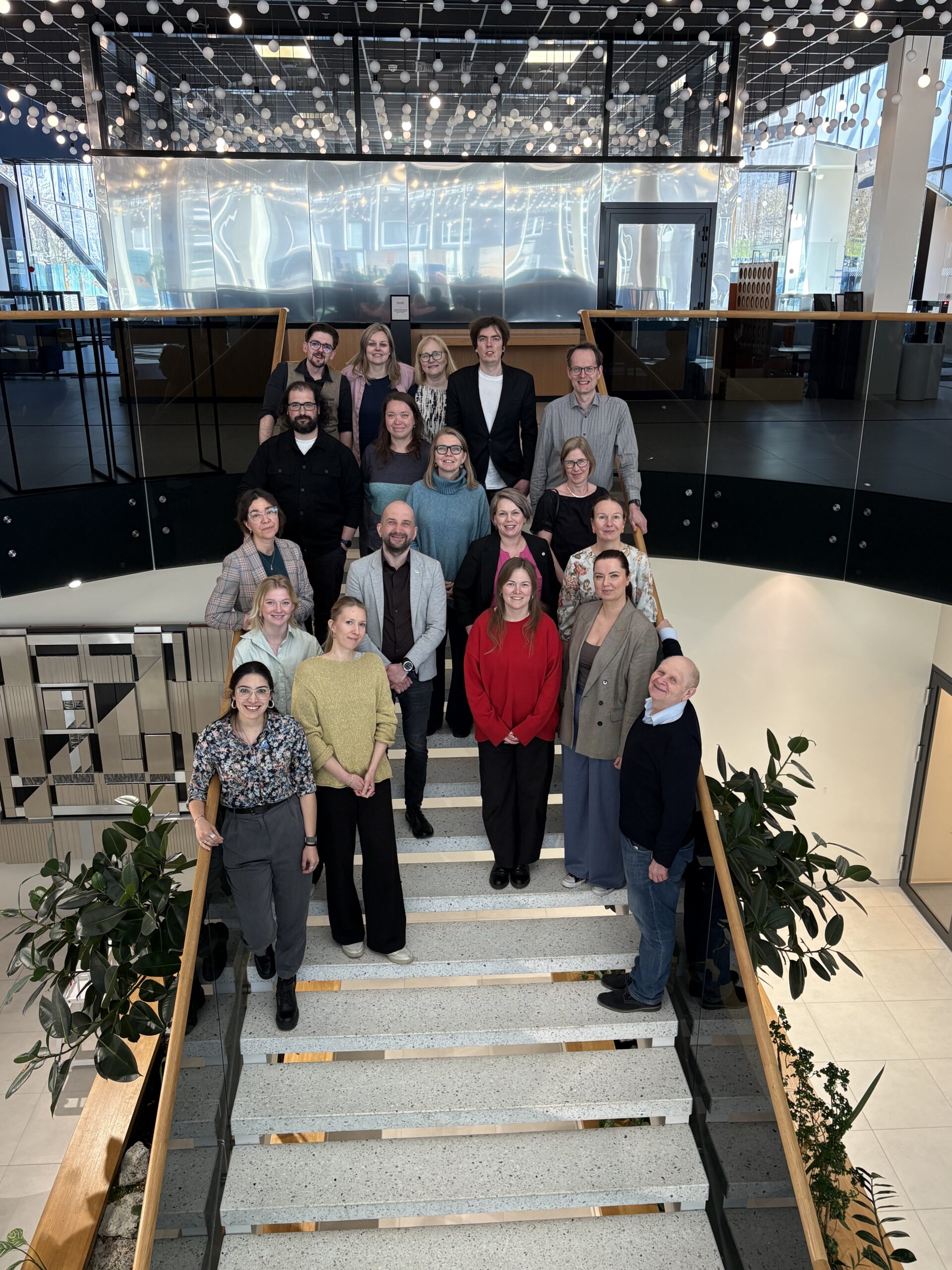
The project involves partners from Estonia, Latvia, Poland, Germany, Sweden, and Finland. The project is led by HELCOM. Photo copyright: Heini Feodorow.