Resilience is all about cooperation – SEABAS brought an MSP perspective to the EUSBSR Annual Forum
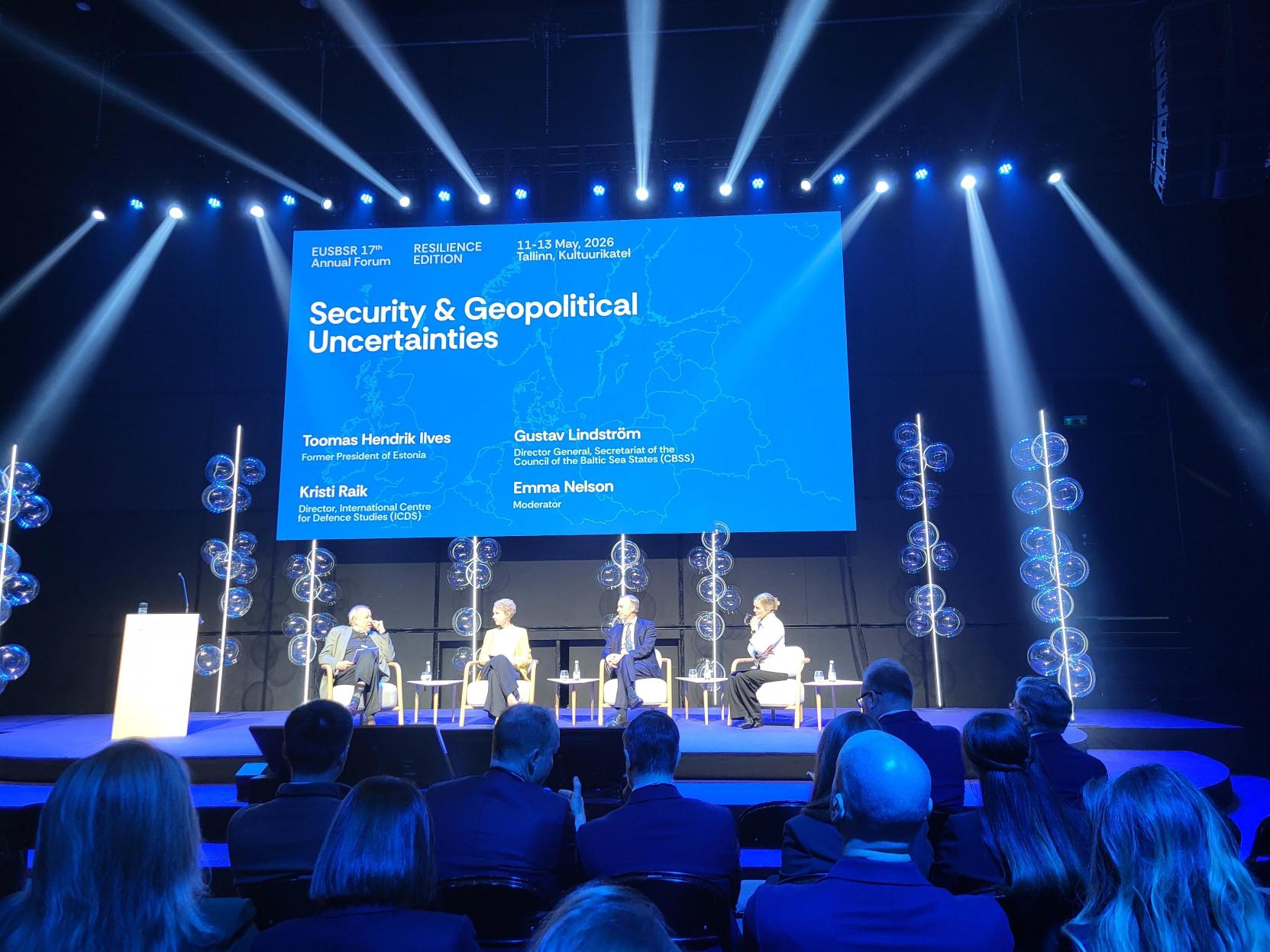
The EUSBSR Forum is an annual event that brings together the various policy areas of the EU Strategy for the Baltic Sea Region. This year, the discussion centered on the need for resilience across all sectors of society. The theme was approached from various angles, including improved marine ecosystem health, maritime safety, digitalization, and sustainable food supply. The SEABAS project also participated in the event by organizing a session that highlighted the importance of transboundary maritime spatial planning cooperation and environmental considerations in building a crisis-resilient future. The message of the event was clear: our strength lies in cooperation.
Preparing society for exceptional situations and a rapidly changing operating environment requires a broad-based, cross-sectoral approach. This perspective was reinforced at the Annual Forum of the Baltic Sea Strategy 2026, held in Tallinn in May, where some 500 participants gathered. Discussions revealed that there is still much to be done to strengthen resilience, but at the same time we must remember that cooperation is our strength.
SEABAS brought a maritime spatial planning perspective to the forum. Environmental assessments are a key part of spatial planning and can be used to promote solutions that support the health of the marine environment while strengthening resilience. The session organized by the project addressed, among other things, transboundary cumulative impacts, international consultation processes related to maritime spatial plans and environmental reports, as well as how to address social, cultural, and economic impacts alongside environmental impacts in the process. The workshop’s diverse group of participants allowed for a lively discussion on various forms of international cooperation and the broader significance of planning.
The SEABAS project is compiling best practices for transboundary consultations
From the perspective of the whole Baltic Sea region, assessing the transboundary impacts of maritime spatial plans and consulting with neighboring countries are key priorities. One of the priorities of the SEABAS project is to compile best practices for consultation processes related to environmental assessments. Fostering cooperation requires resources, but the greater our understanding of one another and the planning processes of our neighboring countries, the more effective it becomes. The session also highlighted transparency, the accessibility of consultation documents, and the timeliness of participation as important factors to consider.
Within the SEABAS project, consultation activities are led by Coalition Clean Baltic. In late May, a half-day virtual workshop dedicated to this topic was held with maritime spatial planners from the Baltic Sea region and the national authorities responsible for consultations under the Espoo Convention. The best practices for cross-border consultations, compiled jointly, will be finalized later this summer. Establishing common approaches is an important step toward a more sustainable and better-prepared Baltic Sea region.
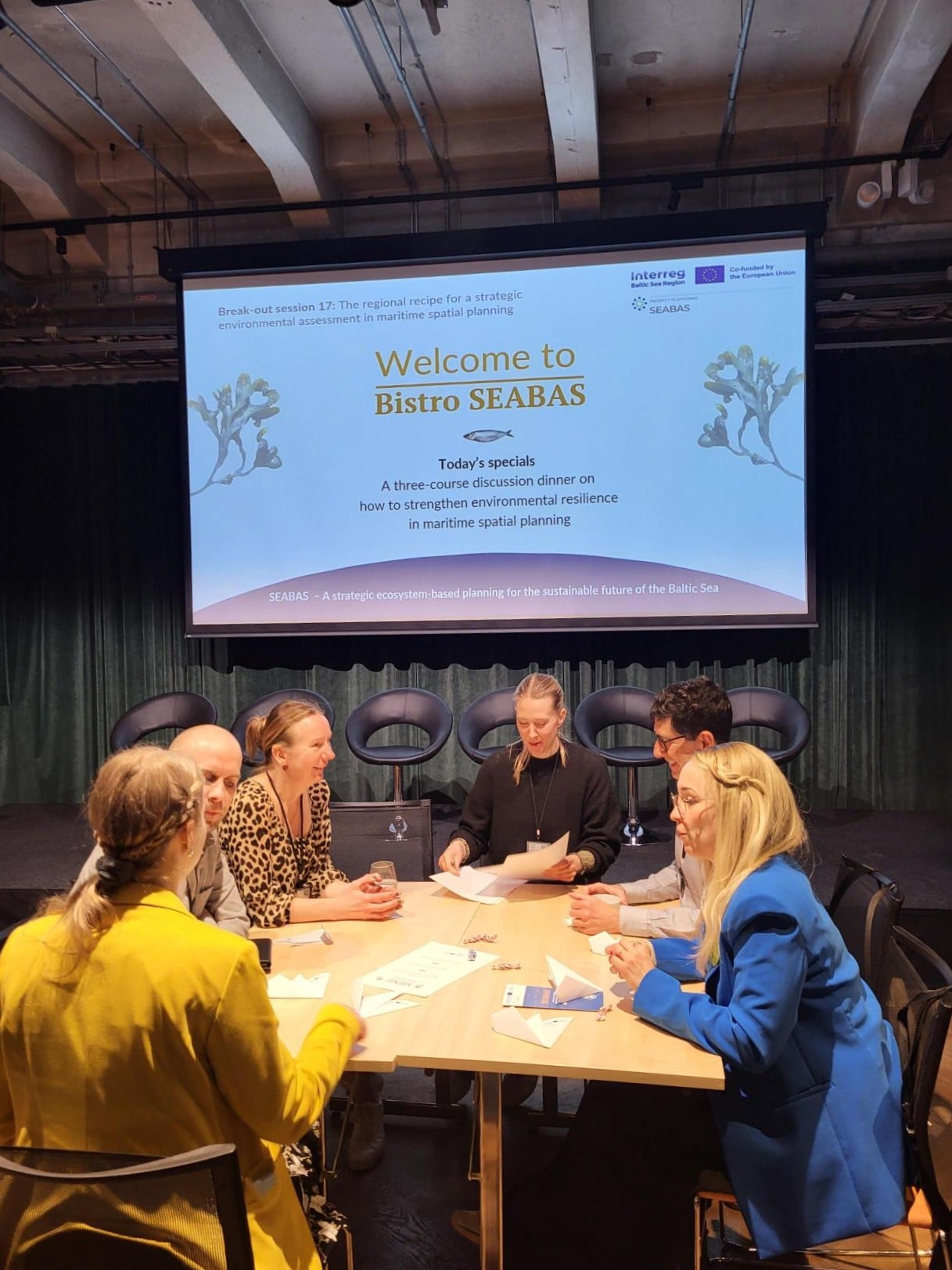
Workshopping at Bistro SEABAS.
SEABAS on LinkedIn: SEABAS: Posts | LinkedIn
Interreg BSR website: SEABAS – Interreg Baltic Sea Region